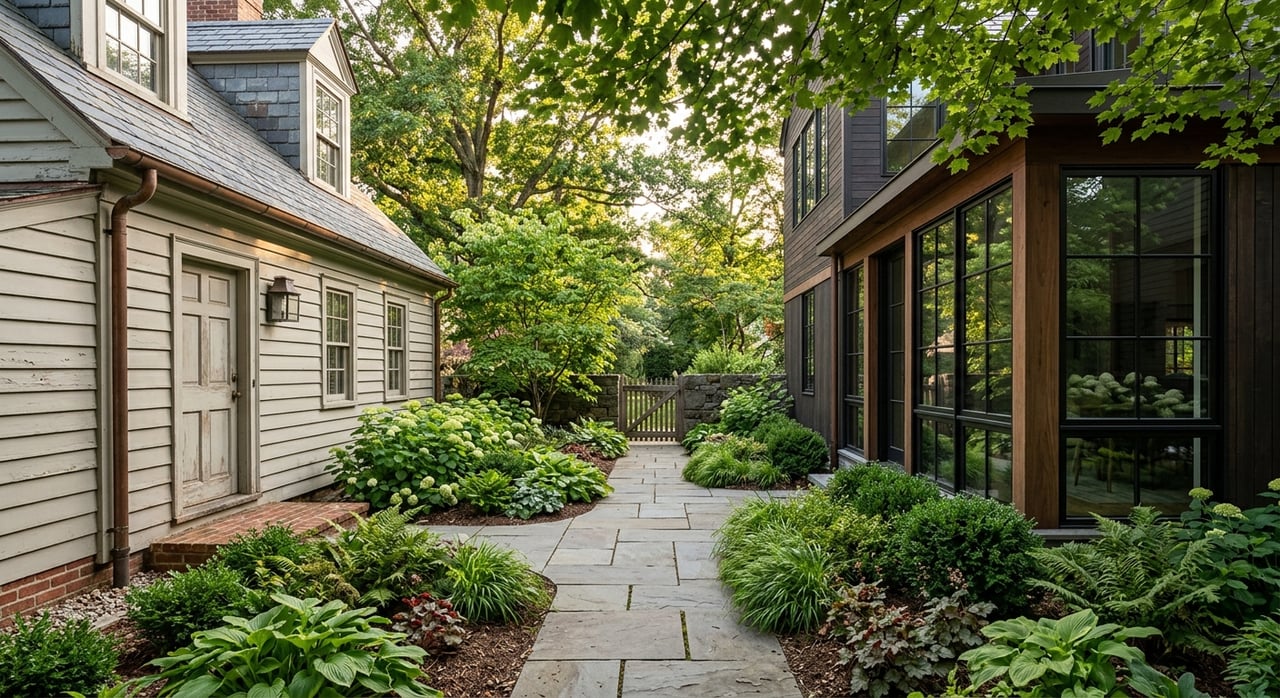
Country Club Hills: Renovate Your Home or Build New?
May 28, 2026
May 28, 2026
Wondering whether to renovate your Country Club Hills home or start fresh with a new build? It is a big decision, especially in one of North Arlington’s most established and high-value neighborhoods, where lot size, topography, and architectural character can all shape the outcome. If you are weighing cost, resale potential, and how your home fits the block, this guide will help you think through the tradeoffs with a clear local lens. Let’s dive in.
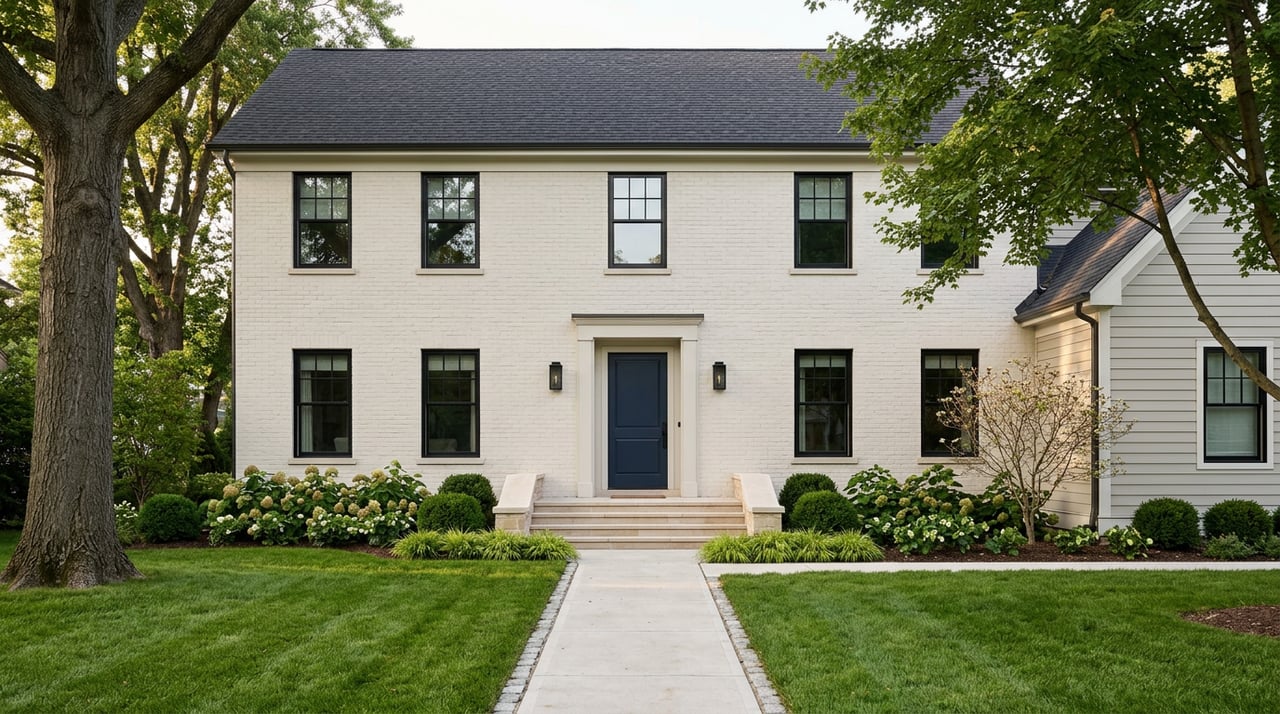
Country Club Hills is not a one-style neighborhood where every house follows the same formula. The area developed from the 1920s through the 1940s, and today the housing stock includes English Tudor, Colonial, Spanish-style homes, mid-century houses, additions, and newer construction. That mix gives you real flexibility, but it also raises the bar for making smart design and investment choices.
In practical terms, both renovation and rebuilds already exist here. A well-planned addition can feel right at home, and a custom new house can too, if it responds to the lot, landscape, and scale of the street. In Country Club Hills, the best choice is usually the one that fits both your property and the neighborhood context.
Before you focus on finishes, layout, or style, look at the site itself. In Country Club Hills, the lot can be a major part of the value equation, and in some cases it may be the dominant asset. Public assessment records in the neighborhood show examples where land value significantly outweighs the value of the older structure on it.
That matters because the lot may support more than the current house is delivering. If your home is poorly oriented, underbuilt for the site, or limited by an outdated footprint, a rebuild may unlock value that a renovation cannot. On the other hand, if the site is usable and the existing structure already sits well on it, renovation may be the more efficient path.
Topography is a major factor in Country Club Hills. Recent local project coverage has highlighted steep slopes, view corridors, retaining walls, and grading challenges, all of which can materially affect budget and design.
A house on a flatter lot may be easier to expand. A house on a steep or irregular site may require expensive earthwork whether you renovate or rebuild. If your property has drainage constraints or recorded stormwater management features, those issues should be part of the decision early.
Many Country Club Hills parcels are zoned R-10, and sample lot sizes in the neighborhood often range from about 11,000 to 19,000 square feet. That sounds generous, but lot size alone does not tell you how much house you can realistically build. Arlington’s zoning envelope, setbacks, and lot coverage rules are often the real constraints.
For standard one-family lots in R-10, Arlington caps lot coverage at 32%. The county also requires a 24-foot aggregate side yard, with at least 8 feet on one side. In other words, a lot may look spacious on paper but feel much tighter once the buildable area is drawn out on a certified plat.
If you own an older house in Country Club Hills, Arlington’s nonconforming-structures rules may help. The county allows some by-right renovations to older one- and two-family dwellings in R-10, including work entirely within the exterior walls, and it also allows certain additions.
That can make renovation more attractive when the home has good bones and your goals fit within the existing footprint or a modest expansion. If your project needs relief from placement or size rules, the Board of Zoning Appeals may consider use permits or variances, with attention to neighborhood compatibility, health and safety, and preservation of natural landform or significant trees.
Renovation is usually the lower-risk path when the existing house is structurally solid and the changes you want can stay largely within the current envelope. In Country Club Hills, that can be especially appealing for homes with architectural character worth preserving or for owners who want to modernize without taking on the full cost and timeline of a teardown.
A renovation may be the better choice if you want to:
Local design recognition in Arlington has gone to Country Club Hills renovations and additions that preserved character, reused materials thoughtfully, and used original forms to guide the new work. That is a useful clue for resale as well. Buyers often respond well when an updated home still feels connected to the architecture and lot.
You may want to lean toward renovation if your house checks several of these boxes:
If that sounds like your property, renovation may deliver a strong balance of lifestyle improvement and resale protection.
A rebuild tends to make more sense when the current house is functionally obsolete, poorly laid out, or failing to capitalize on what the lot offers. In Country Club Hills, some recent projects show exactly that logic, including a 2024 custom home that replaced a circa-1940 split-level that was not taking advantage of its views.
Public records also show that teardown and rebuild activity is a normal part of the neighborhood’s lifecycle. Several newer homes in Country Club Hills carry assessed totals in the low-to-mid $3 million range after new construction. While assessment is not the same as market value, it does reinforce that buyers in this neighborhood support well-executed new homes.
A new build may deserve serious consideration if:
In those cases, spending heavily on renovation may not give you the best long-term result. A new build can allow better flow, better siting, and a design that responds more intelligently to the land.
One of the most important takeaways in Country Club Hills is that resale is not simply about old versus new. What matters most is whether the finished home feels appropriate for the neighborhood. Projects that preserve familiar massing cues, use materials that feel at home on the block, and maintain a strong relationship to the landscape tend to align best with local expectations.
That means a beautifully updated older home can compete well. It also means a new house can perform strongly if it respects the street and site rather than overpowering them. In either case, design discipline matters.
If you are trying to decide between renovation and rebuilding, it helps to ask a short list of practical questions:
If your answers point to a solid structure, manageable constraints, and meaningful character, renovation may be the smarter move. If they point to a high-value lot, major design limitations, and substantial site-driven opportunity, a rebuild may offer more upside.
Country Club Hills is a neighborhood where broad advice can miss the mark. Two homes with similar square footage can have very different renovation or rebuild potential based on slope, setbacks, orientation, permit history, and how the house sits on the lot. That is why this decision benefits from micro-market analysis rather than a one-size-fits-all rule.
If you are planning to sell, buy, renovate, or rebuild in Country Club Hills, the right strategy starts with the property itself and how it fits today’s local market. For tailored guidance on your lot, your home, and your next move, connect with Gabrielle Witkin.
Stay informed and inspired with Gabrielle’s expertise on real estate, design tips, family life, and all things in Arlington.
Discover a partnership that goes beyond the transaction. With Gabrielle on your team, it's not just about finding or selling your home. It's about unlocking the life you've always dreamed of.