Preparing a Lyon Park Home for Sale Without Losing Its Charm
April 16, 2026
April 16, 2026
If you are getting ready to sell in Lyon Park, you may be asking a tricky question: how do you make your home feel fresh and market-ready without stripping away the details that make it special? That tension is real, especially in a neighborhood with deep architectural roots and a strong sense of place. The good news is that you do not have to choose between charm and marketability. With the right prep strategy, you can highlight original character, make smart updates, and present your home in a way that resonates with today’s buyers. Let’s dive in.
Lyon Park is not a generic Arlington neighborhood, and buyers usually feel that right away. Arlington County describes it as one of the county’s earliest 20th-century planned communities, established in 1919. Over time, the area developed into a neighborhood with a distinct identity that still shapes buyer expectations today.
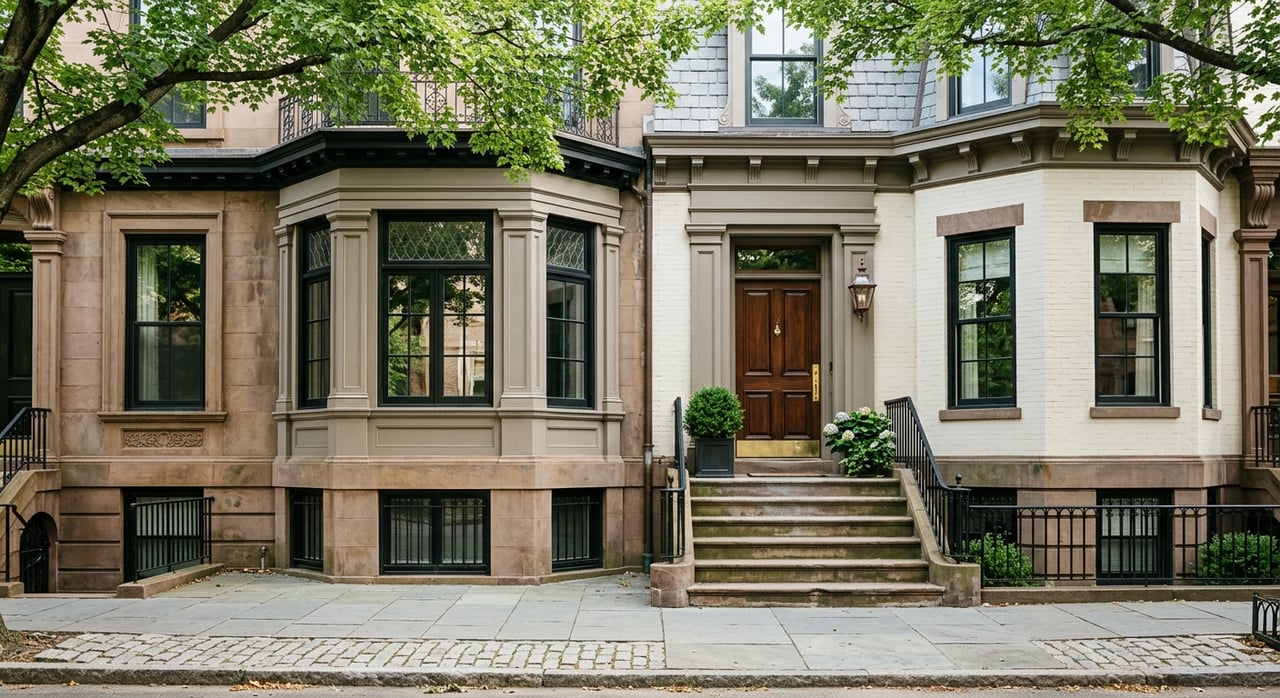
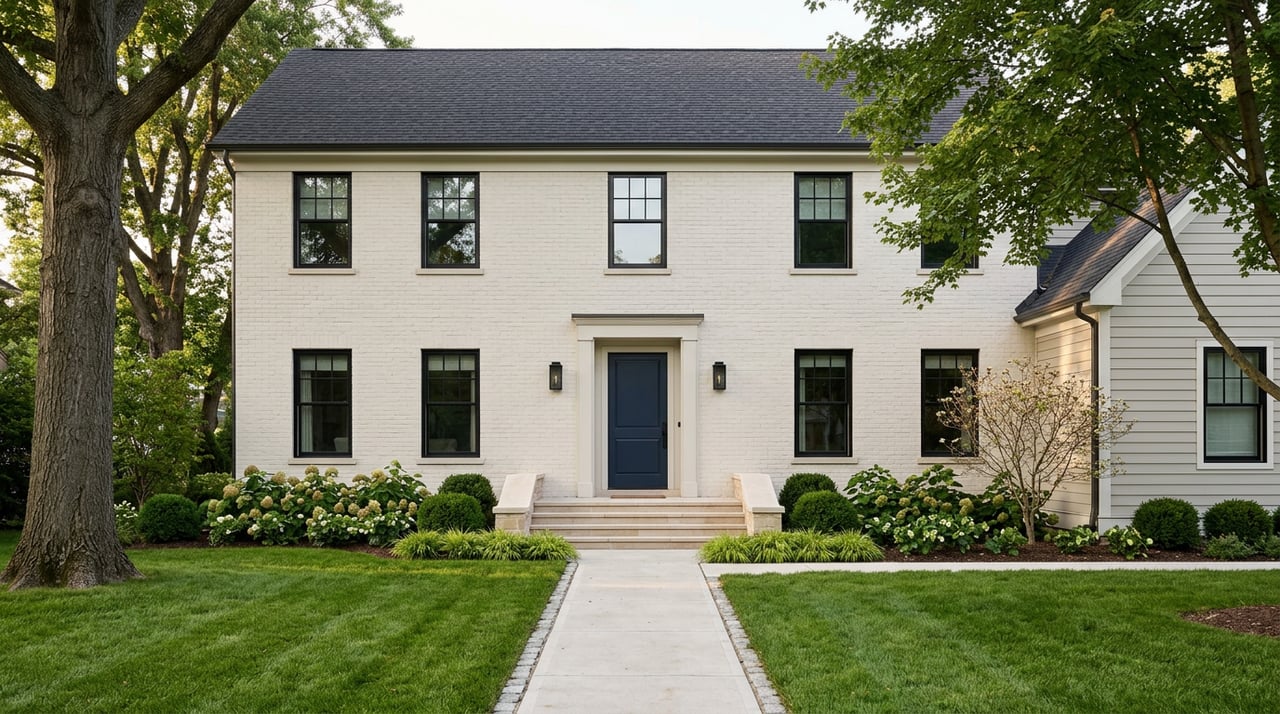
That identity shows up in the housing stock. According to the Virginia Department of Historic Resources, the district includes buildings from the 1890s through 21st-century infill, with Queen Anne and Colonial Revival among the principal styles. DHR also notes that Lyon Park has Arlington County’s greatest concentration of Colonial Revival buildings from the World War I through World War II era.
For sellers, that means your home’s appeal is often tied to more than square footage or finishes. Buyers may also be drawn to original trim, balanced facades, mature landscaping, and the way the home fits into the broader rhythm of the neighborhood. Preserving that feel can strengthen your listing rather than hold it back.
Before you replace windows, change a front porch detail, or make any other visible exterior change, it is smart to confirm what rules apply to your specific property. A common point of confusion is the difference between National Register status and local historic regulation.
The National Park Service says that National Register listing alone does not place federal restrictions or requirements on a private property owner. But local laws and ordinances can still apply, which is where sellers need to look closely.
In Arlington’s local historic districts, exterior alterations, new construction, and demolition may require a Certificate of Appropriateness. The County also notes that routine maintenance, same-material repairs, interior alterations, and paint colors are exempt. If your home falls under local review, the County’s preservation bodies are meant to provide technical guidance so changes respect historic character.
It is also important not to assume that every property in Lyon Park is treated the same. Cambridge Courts, for example, is a local historic district within Lyon Park that is subject to exterior design review. That is why checking the rules for your exact parcel matters.
If your property has a preservation easement, the review process may be even more specific. Arlington explains that historic preservation easements can require review of alterations and may permanently protect historic fabric from demolition. Before planning visible work, review your title documents and confirm any restrictions early.
When sellers worry about charm, the biggest mistake is often overcorrecting. Instead of trying to modernize every surface, start with condition.
A repair-first approach helps buyers focus on the home’s best features. Clean operation, fresh maintenance, and visual order signal that the property has been cared for. In a character-filled home, that can be more persuasive than a rushed cosmetic overhaul.
Prioritize work that improves confidence without erasing style, such as:
This approach also supports how buyers shop today. NAR reports that listing photos are among the most useful features during an online home search, so homes need to look clean, intentional, and photo-ready from the start.
In Lyon Park, original details are often part of the story you are selling. That does not mean every old feature should stay exactly as is, but it does mean you should identify what gives your home its personality before making changes.
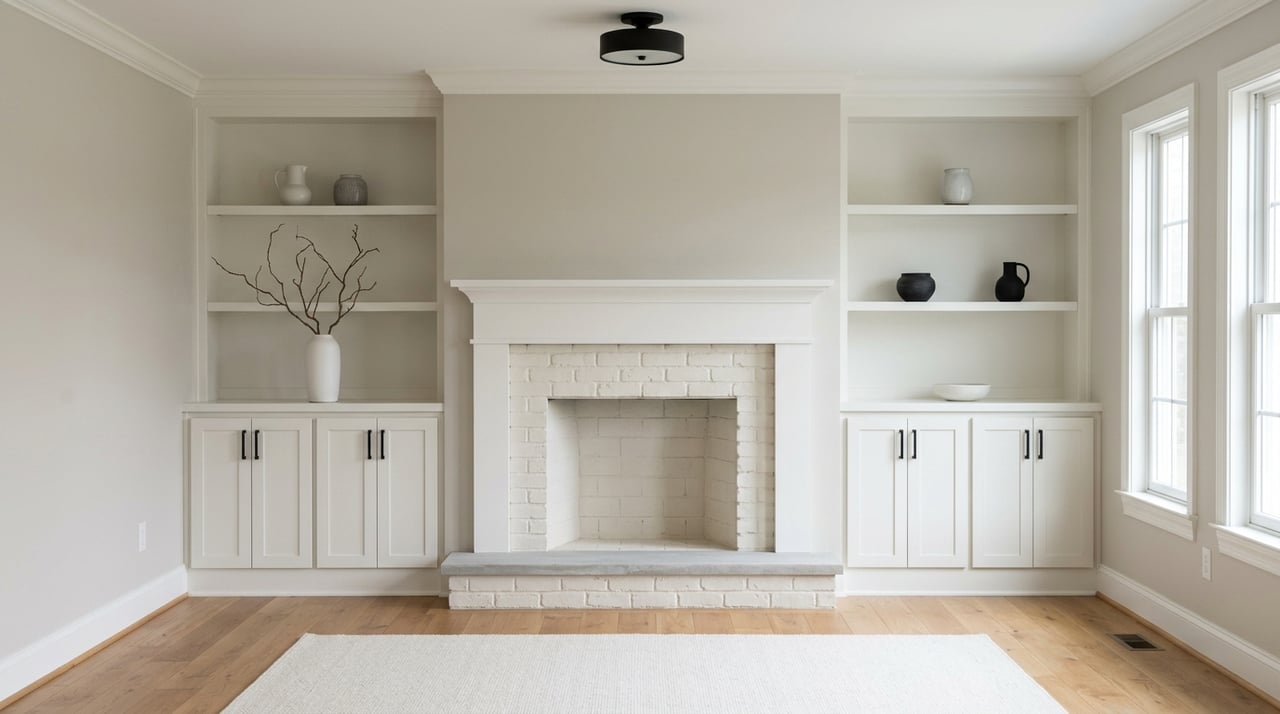
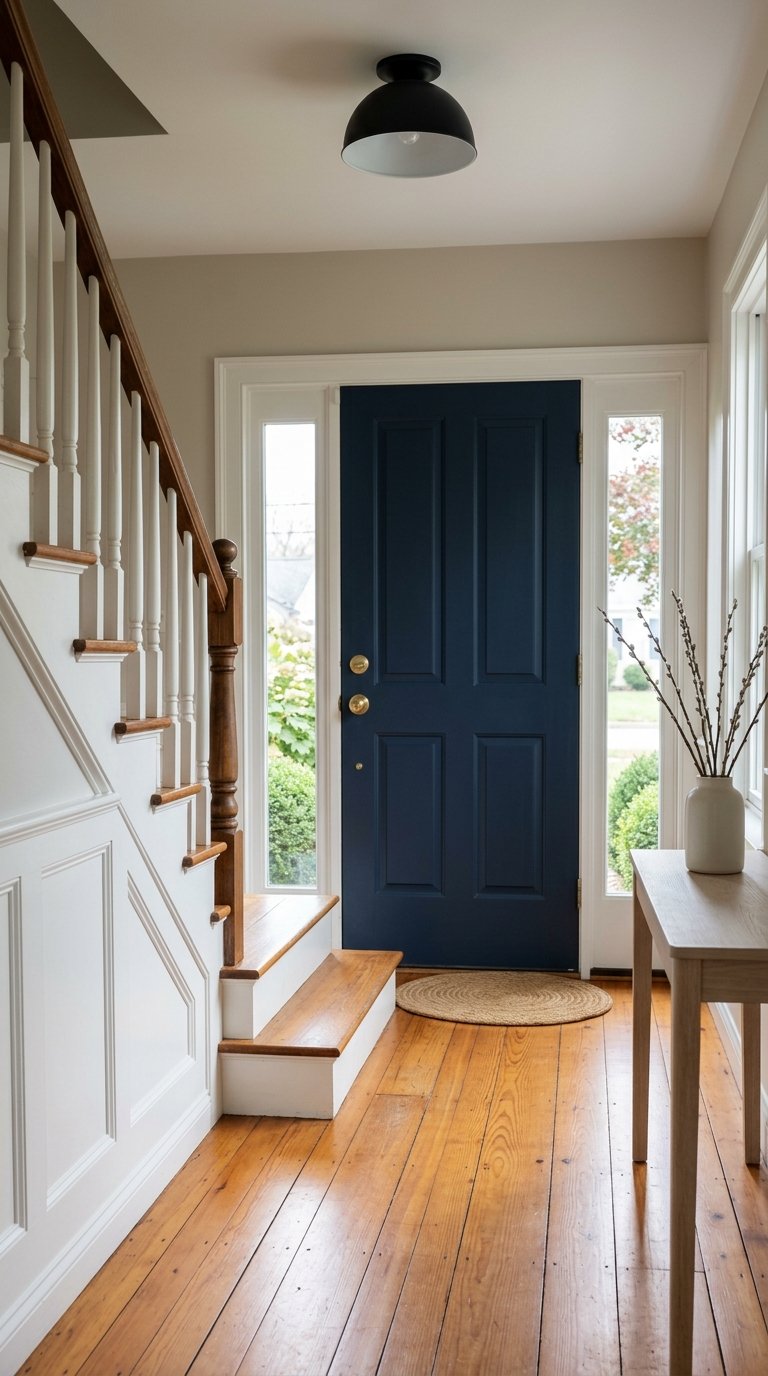
Look for features like millwork, stair railings, fireplace surrounds, built-ins, divided-light windows, traditional entry details, and room proportions that feel true to the house. If those elements are in good condition, they often deserve to be highlighted rather than hidden.
The goal is to help buyers see a home that has been thoughtfully updated over time. Strong listing preparation usually shows two things at once: the character that has been preserved and the systems or functional improvements that make daily life easier.
Staging can absolutely help a Lyon Park home sell, but the style matters. According to the 2025 Profile of Home Staging Snapshot from NAR, 83% of buyers’ agents said staging made it easier for buyers to visualize a home as their future home.
The same report notes that the living room, primary bedroom, and dining room are the rooms most commonly staged. If you are deciding where to invest time and money, those spaces are often the best place to start.
For a historic or character-rich home, a softer and warmer palette usually makes more sense than an ultra-modern one. NAR’s design commentary points to warm beiges, earthy tones, and layered texture as part of a cozier 2025 staging direction. In Lyon Park, that can complement older architecture without making the home feel heavy or dated.
A few smart staging guidelines include:
Buyers often appreciate charm most when it comes with practical function. If your home has been updated in ways that improve comfort or flexibility, those changes should be part of the presentation.
NAR’s listing guidance says buyers are especially drawn to energy-efficient upgrades, flexible rooms, smart-home features, and usable outdoor areas. In a Lyon Park home, those upgrades tend to land best when they are framed as enhancements rather than replacements for original character.
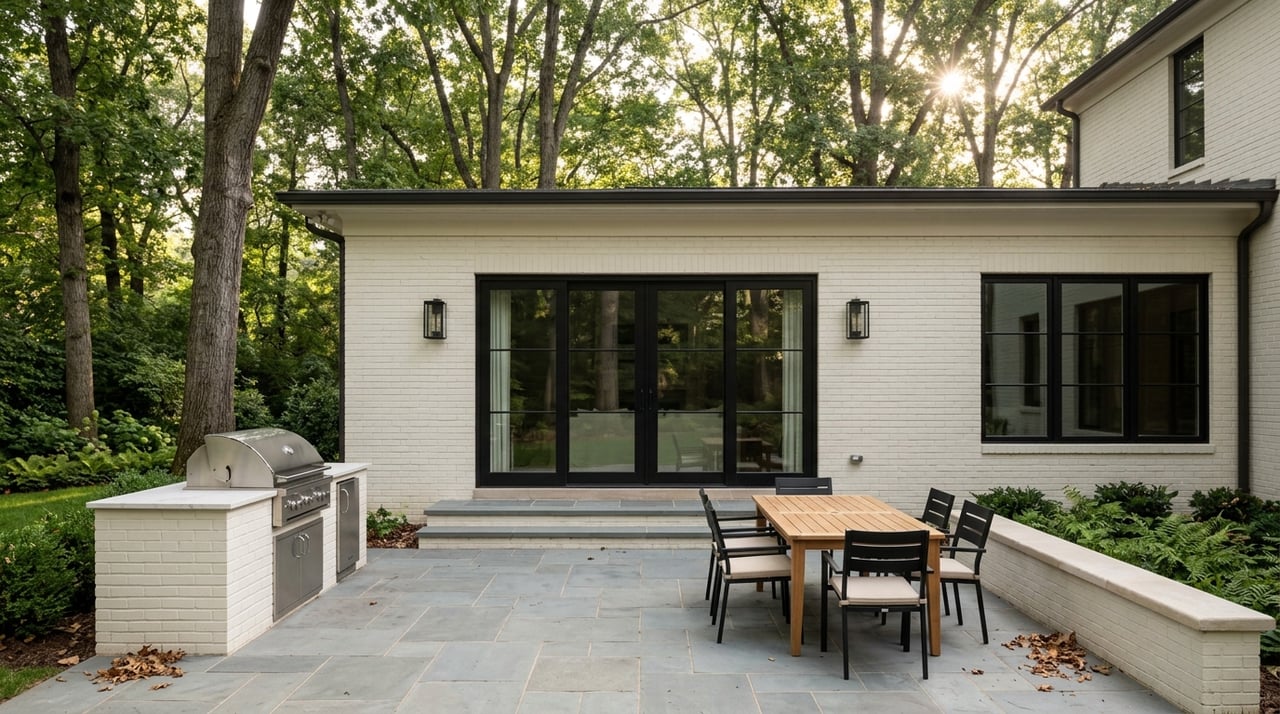
For example, a renovated lower level, a quiet office nook, improved insulation, or a better-functioning outdoor space can expand the home’s usefulness without changing its identity. If you have made these improvements, be ready to show how they support the way the home lives today.
A Lyon Park listing should not read like it could be anywhere. Buyers are not only evaluating the house. They are also evaluating how it feels to live there.
County materials note that Lyon Park is largely single-family, with a small commercial zone and some duplexes and apartments on the outskirts. In the neighborhood conservation update, residents said walkability was their top reason for liking the neighborhood. The same update highlights the neighborhood’s mature trees, community concerns around pedestrian and bicycle safety, and the importance of tree canopy.
That same County source also points to a three-acre private park at the neighborhood’s center, along with a community house and active civic life. These details help create a specific, grounded story around the home and its setting.
When your listing photography and copy reflect that context, the property feels more memorable. Instead of vague lifestyle language, the narrative can connect preserved architecture, thoughtful updates, and Lyon Park’s long-established neighborhood identity.
Because so many buyers begin online, the visual presentation has to work hard before anyone schedules a showing. NAR says 52% of buyers found the home they purchased online, and that the first photo and the sequence of images matter.
For a Lyon Park home, the opening image should usually establish character fast. That may be the exterior, a gracious living room, or another view that instantly communicates style and condition. After that, the photo order should help buyers understand both flow and substance.
Strong photo sequencing often includes:
Good listing copy should do more than sound polished. It should answer the questions buyers already have.
NAR advises that listing descriptions work best when they address condition, updates, and lifestyle fit up front. In Lyon Park, that often means being clear about which original features remain, what has been improved, and how the home functions day to day.
That clarity matters because home decisions are often made by more than one person. NAR’s 2025 staging survey found that a median of 23% of respondents said buyers brought family members who were not purchasing the home to view properties, and a median of 40% said buyers consulted family members during the process, according to the full report PDF. Clear, specific copy helps everyone involved understand the home quickly.
If you want to protect charm and still prepare strategically, use this simple framework:
Confirm whether local historic district review, easements, or other rules apply before making visible exterior changes.
Walk through your home and note the original details that define its style and set it apart.
Fix deferred maintenance and condition issues that stand out in person or in photos.
Use warm, edited styling that supports the architecture rather than competing with it.
Build the story around both the property and the neighborhood’s established identity, walkability, and sense of place.
Preparing a Lyon Park home for sale is not about making it look like every other listing. It is about helping buyers see a home that has been cared for, updated with intention, and presented in a way that honors what makes it special. If you are planning a sale and want a strategy that balances neighborhood context, polished presentation, and data-backed positioning, Gabrielle Witkin can help you map out the right next steps.
Stay informed and inspired with Gabrielle’s expertise on real estate, design tips, family life, and all things in Arlington.
Discover a partnership that goes beyond the transaction. With Gabrielle on your team, it's not just about finding or selling your home. It's about unlocking the life you've always dreamed of.