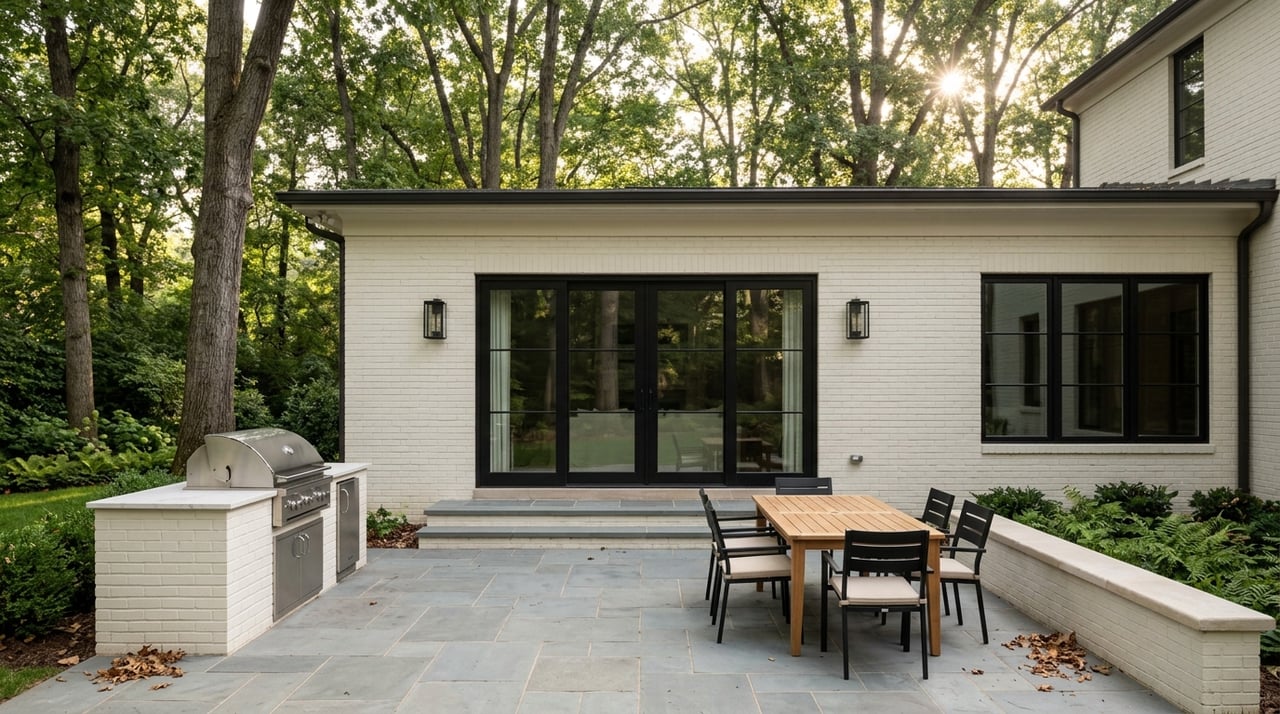
Designing Your Outdoor Life in Bellevue Forest
April 23, 2026
April 23, 2026
If you love the idea of outdoor living but your lot is sloped, wooded, or shaped by mature trees, Bellevue Forest asks you to think differently. This Arlington neighborhood is not about forcing a flat, one-size-fits-all backyard plan. It is about designing outdoor spaces that work with the land, protect canopy, and give you practical places to relax, gather, and enjoy the setting. Let’s dive in.
Bellevue Forest is a distinct residential neighborhood-plan area in northern Arlington with about 415 single-family homes, bordered by Military Road, the George Washington Memorial Parkway, Gulf Branch, Donaldson Run, and Potomac Overlook Regional Park, according to the Bellevue Forest neighborhood planning documents. The County’s 2003 plan describes a setting defined by natural features, quiet streets, hills and valleys, and no commercial establishments within the neighborhood boundary.
That physical setting matters when you plan your outdoor life. The Bellevue Forest Neighborhood Conservation Plan notes rolling terrain, curves, and drainage concerns, especially where land drops toward streams and park edges. In practical terms, that means your lot may function better as a series of outdoor zones instead of one wide, uninterrupted lawn.
In Bellevue Forest, the most successful yards often feel organized rather than oversized. Instead of trying to make every square foot do everything, it helps to create separate spaces for dining, lounging, play, gardening, or quiet retreat.
A zone-based layout can make a sloped or irregular yard feel more useful. A dining terrace near the house, a lower fire pit area, a shaded seating corner, or a tucked-away planting bed can each respond to a different grade, light condition, or view line. That approach also tends to preserve more of the landscape that gives Bellevue Forest its character.
Trees are one of the biggest assets on many Bellevue Forest lots, but they need room to thrive. Arlington’s low-residential guidance notes that large canopy trees need plantable soil space free from buildings, pavement, fencing, property lines, and utilities, and gives a rough benchmark of 1,200 cubic feet of plantable soil for a large canopy tree to mature.
That is why patio placement should be about more than open square footage. If hardscape crowds the root zone or limits future canopy growth, you may create short-term convenience at the expense of long-term landscape value. Concentrating patios, walkways, or seating pads where they create the least conflict with root space can support both entertaining and canopy preservation.
In low-density Arlington neighborhoods, homes often have more front and rear yard space, but the County also says these areas are seeing some of the biggest increases in impervious surfaces. The same County FAQ explains that one-family dwellings in Residential districts are subject to lot-coverage limits, and that features like patios, pools, and walkways can affect impervious-area planning.
That makes early layout decisions especially important. If you are thinking about adding a patio, expanding a walk, or reshaping a backyard entertainment area, it helps to balance lifestyle goals with runoff, soil space, and site coverage from the start. A better outdoor plan is often not the one with the most paving, but the one that uses paving carefully.
Bellevue Forest’s hills and wooded edges make drainage a design issue, not just a maintenance issue. Nearby Washington, DC precipitation normals show 41.82 inches of annual precipitation, with rainfall spread across the calendar year, so runoff-aware planning matters in every season.
Arlington’s guidance supports a practical response. The County’s rain-garden resources note that rain gardens can capture runoff from impervious areas and may need a small berm on sloped sites, along with pre-treatment and overflow planning. On a Bellevue Forest lot, this can be especially useful where water naturally moves downslope toward lower yard areas.
If you want a polished yard without constant upkeep, native planting is one of the smartest strategies available. Arlington’s native plant guidance explains that native plants are adapted to the region’s cold winters and hot, humid summers, usually need less water and fertilizer once established, and can work in both shady, damp settings and sunny, dry settings.
That flexibility is a good fit for Bellevue Forest, where one part of a lot may be shaded and moist while another is brighter and drier. Native perennial plantings, shrubs, and small trees can help you create a more natural look that still feels intentional. They also support a lower-maintenance routine once the landscape is established.
Timing matters almost as much as plant selection. Arlington says fall is the best time for planting native landscapes because root growth is prioritized and maintenance needs are generally lower.
For homeowners, that can mean better establishment with less stress and less watering than a midsummer install. If you are planning to refresh your outdoor spaces, fall is a strong season to tackle planting beds, understory trees, or conservation-focused landscaping.
A low-maintenance yard can also align with Arlington’s stormwater goals. The County’s conservation landscaping credit program recommends native perennials, shrubs, and small trees, with mulching, weeding, and annual maintenance as needed, and offers a 5% stormwater utility credit for qualifying projects of at least 150 square feet.
This does not mean every yard needs a full redesign. Even a focused planting area can help reduce runoff, soften the edges of hardscape, and make the landscape feel more integrated with the surrounding terrain. For Bellevue Forest owners, it is one more reason to think of landscaping as both aesthetic and practical.
Tree planting can support both comfort and long-term property appeal when it is done thoughtfully. Arlington’s single-family tree-planting credit provides a 5% annual credit for qualifying native shade trees with at least a 1-inch caliper, planted at least 5 feet from property lines and not already counted as another stormwater practice.
The County’s rain-garden guidance also notes that native trees such as river birch, sweetbay magnolia, black gum, swamp white oak, red maple, and serviceberry can work around rain garden perimeters. On the right lot, that can help tie together drainage strategy, shade, and visual structure in a way that feels very natural for Bellevue Forest.
For wooded lots, one of the most valuable outdoor investments may be removal, not addition. Arlington warns that invasive vines, especially English ivy, can weaken or kill trees, according to its private tree care guidance.
If your property has mature trees, clearing invasive vines can protect the canopy and reduce future maintenance headaches. It can also improve the health and visibility of the trees that shape your outdoor experience. In a neighborhood where canopy and natural setting matter so much, that is often a high-impact first step.
Before making major outdoor changes, it is wise to understand Arlington’s tree-related requirements. The County says overhanging private trees and shrubs should maintain 10 feet of clearance over streets and 7 feet over sidewalks. It also notes that most tree removals on private property do not require a permit, but exceptions may apply in a Resource Protection Area, for specimen trees, in local historic districts, or in certain development projects.
These details matter when you are reworking an entry walk, driveway edge, or front-yard planting plan. Small layout choices can affect long-term maintenance, visibility, and compliance. A thoughtful outdoor design starts with the site you have, not just the idea you want.
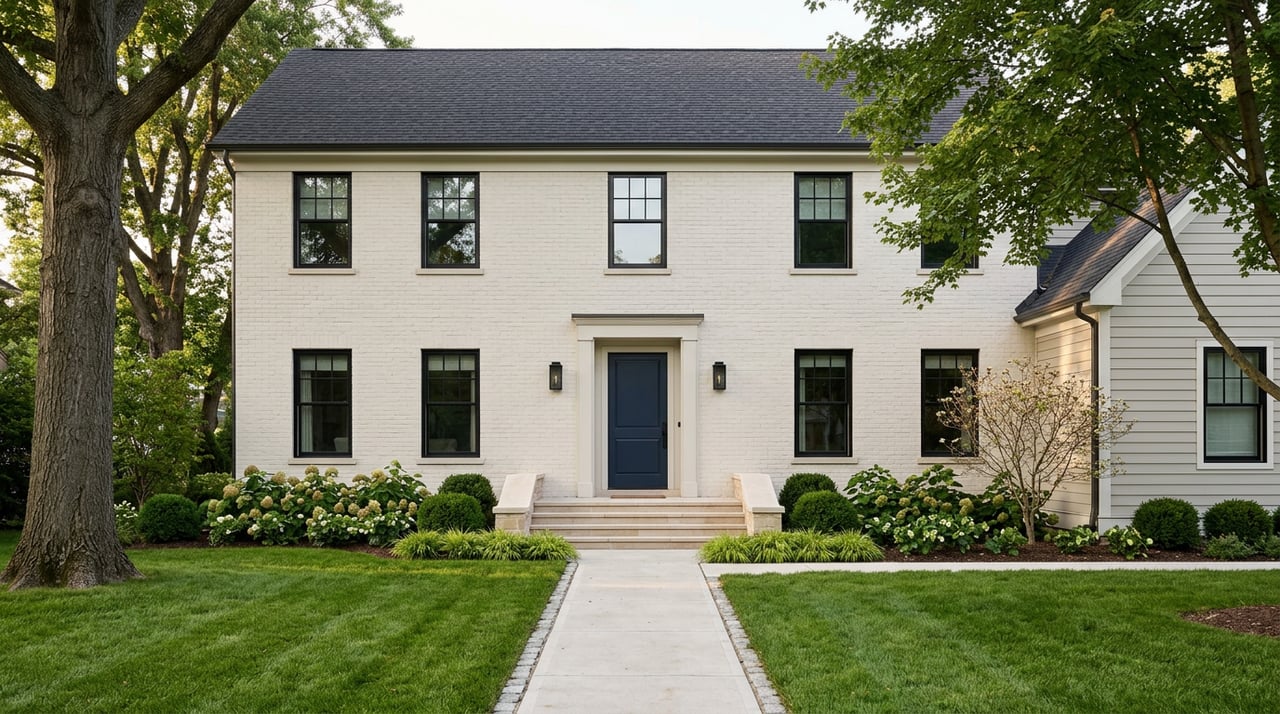
In Bellevue Forest, outdoor living is not only about appearance. Buyers often respond to homes where the exterior feels usable, organized, and aligned with the lot’s natural setting. A yard that manages slope well, preserves mature trees, and offers purposeful spaces for dining or relaxing can make the property feel more complete.
That matters in a neighborhood known for its residential setting, natural surroundings, and custom-home appeal. If you are improving your home for your own enjoyment now and future resale later, the strongest choices are usually the ones that balance beauty, function, and site conditions with care.
If you are thinking about how outdoor upgrades may shape your lifestyle or your home’s market position in Bellevue Forest, Gabrielle Witkin can help you evaluate the bigger picture with local insight and a thoughtful, strategic approach.
Stay informed and inspired with Gabrielle’s expertise on real estate, design tips, family life, and all things in Arlington.
Discover a partnership that goes beyond the transaction. With Gabrielle on your team, it's not just about finding or selling your home. It's about unlocking the life you've always dreamed of.