Williamsburg Arlington Neighborhood Guide for North Arlington Buyers
March 24, 2026
March 24, 2026
Craving more space in North Arlington without losing quick access to parks and Metro? If you are weighing a move up from a condo or smaller single-family home, Williamsburg might be on your short list. In this guide, you will get a clear picture of housing types, lot sizes, everyday conveniences, commute options, schools, and what changes could shape the area in the coming years. Let’s dive in.
Williamsburg is in North and Northwest Arlington, centered around the intersection of Williamsburg Boulevard and N. Sycamore Street/Little Falls Road. To see the civic-association boundary, use the county’s official map, which is helpful when you compare listings and school assignments in nearby pockets. You can view the map on the county GIS site for the Williamsburg Civic Association.
For a lifestyle snapshot, The Washington Post describes Williamsburg as a largely single-family, mid-20th-century enclave with a quieter feel and a local shopping strip instead of a dense high street. That framing is still a useful shorthand for buyers.
If you like some walkable errands but plan to drive for most shopping, the numbers back that up. Williamsburg’s Walk Score is roughly 51, Transit Score about 37, and Bike Score around 63. Many residents use cars for errands while enjoying nearby parks and schools.
Williamsburg’s housing stock skews single-family and offers more yard space than many Arlington neighborhoods closer to Metro corridors. That trade-off between space and walk-to dining is one of the key decisions you will make here.
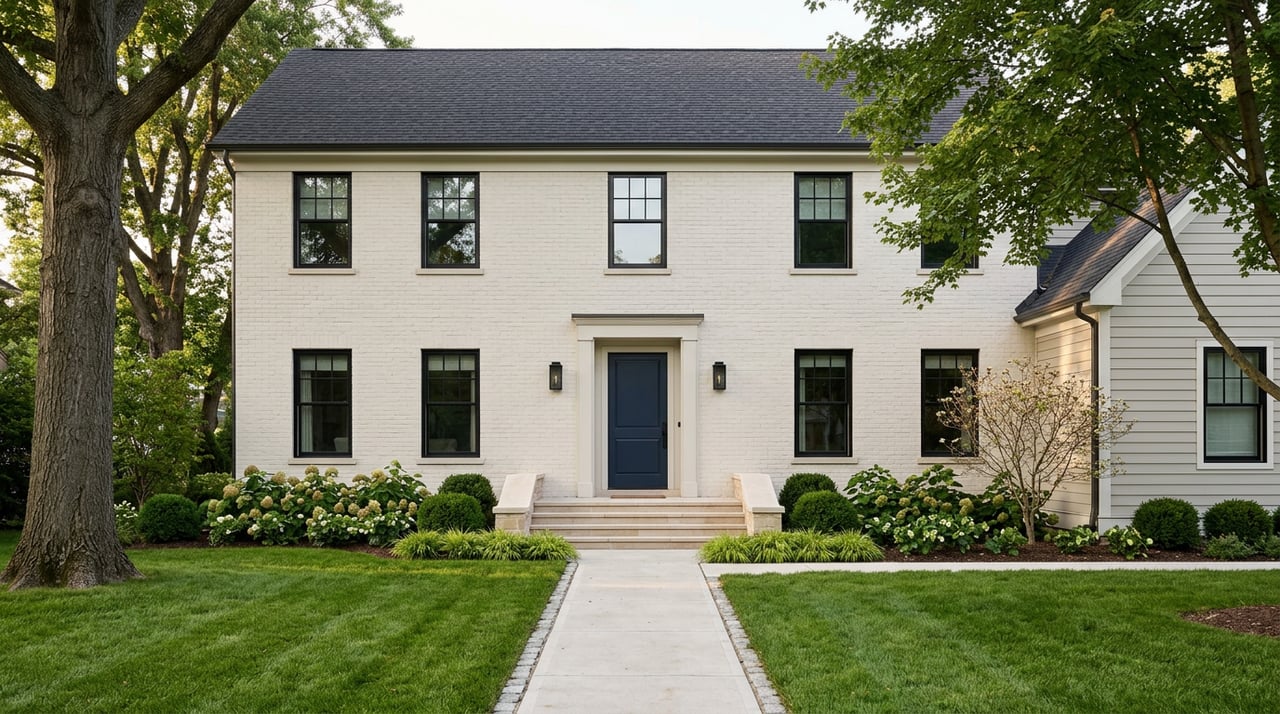
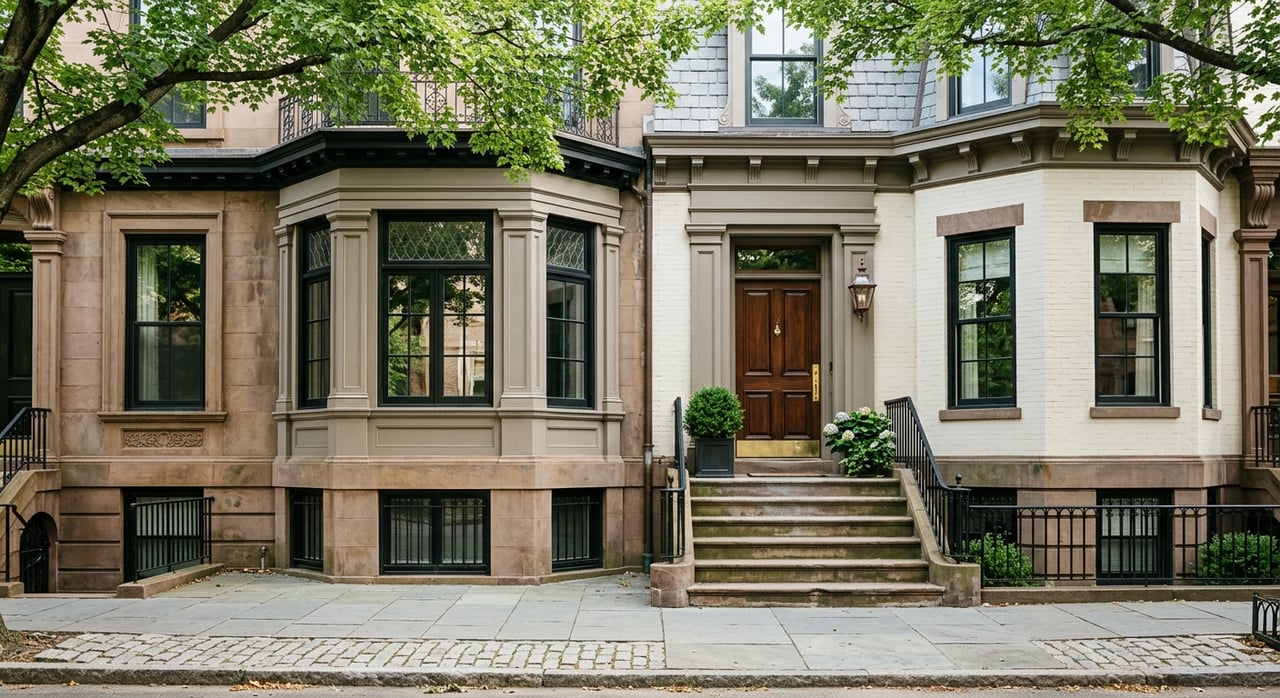
Most original houses date to the 1940s and 1950s. You will see Colonial Revivals, Cape Cods, ramblers, ranchers, and split-levels that reflect postwar Arlington. These homes often attract buyers who plan phased updates, additions, or complete rebuilds over time.
In recent years, many older homes have been replaced with larger infill builds in Tudor, Craftsman, and modern styles. This pattern has shaped the streetscape and added options for buyers who want turnkey scale and modern layouts. It also affects tree canopy and on-street parking, topics that the local civic association actively follows in its planning work.
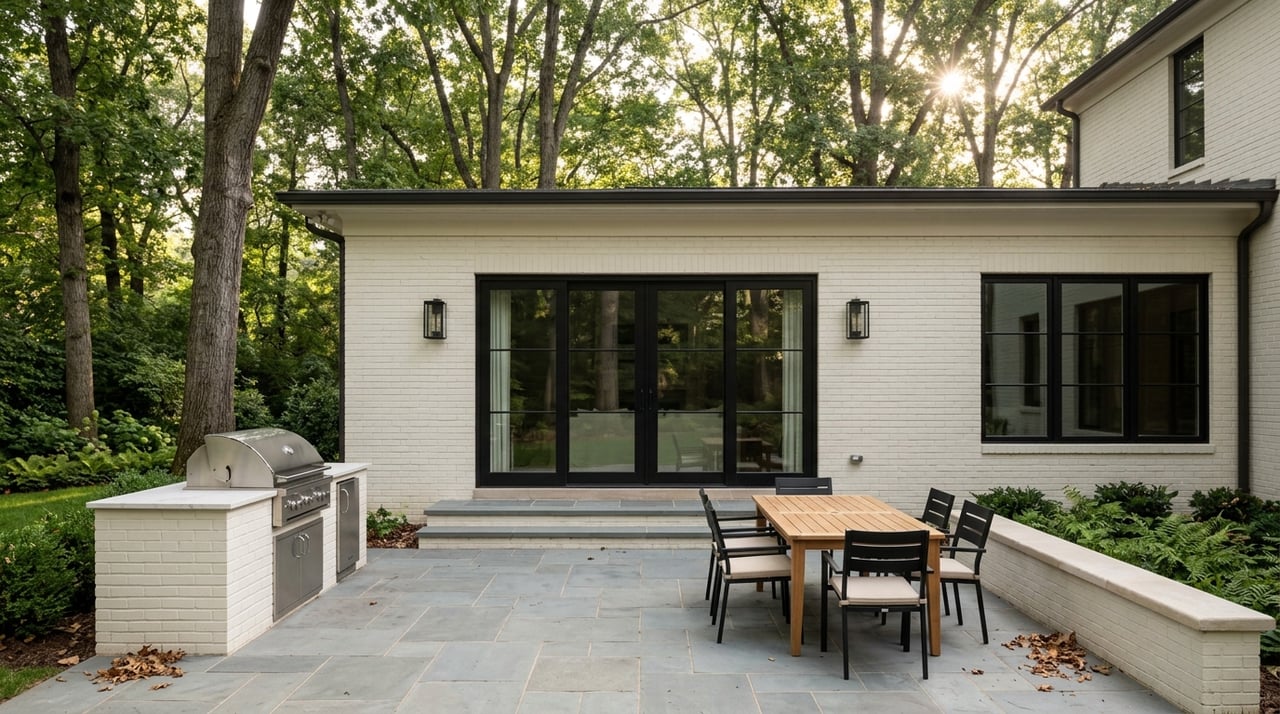
A headline fact if you are upsizing: typical lots are roughly a quarter acre, often around 0.23 acre. Individual parcels vary, from smaller infill lots to rare half-acre or larger holdings. Interior square footage commonly lands in the high 2,000s to low 3,000s for many single-family homes, with new construction often larger.
Market snapshots show a premium for the combination of North Arlington address and larger lots. Recent summaries place the median sale price in early 2026 around the mid to high seven figures, with an example median near 1.75 million dollars in February 2026. Active listings frequently range from 1 to 3 million dollars, and new builds often trade above 2 to 3 million dollars. Different data sources use different time windows and sample sizes, so figures move month to month. The bottom line: expect a single-family market where lot size, new construction, and proximity to parks and schools drive value.
Williamsburg offers daily basics close by, with more variety a short drive away. If you want a quiet residential feel with convenient access to groceries and services, this pattern works well.
Inside the neighborhood, Sharp Park provides a small, wooded garden space for quick walks and fresh air. Minor Hill Park is another local open space and the neighborhood’s high point. For larger playgrounds, tennis courts, and trails, Tuckahoe Park sits less than a mile to the south. You will find that Williamsburg is strong on nearby green space, though it has limited large contiguous acreage within the civic boundary itself.
The Williamsburg Shopping Center on Williamsburg Boulevard covers basics like takeout and convenience items. The larger Lee-Harrison Shopping Center, anchored by a grocery store, is a short drive for weekly shopping. For a fuller mix of restaurants and small shops, many residents head to Westover Village, Ballston, or Clarendon. Plan on biking or driving for most dining and specialty retail.
If you work in DC or across Northern Virginia, Williamsburg offers flexible routes by car, Metro, and bike.
Langston Boulevard, which is U.S. 29, runs along or near the neighborhood and serves as a primary east-west route through North Arlington. Interstate 66 is also close for trips toward Washington. Depending on time of day and route, a drive to central DC can range from about 20 to 45 minutes. Arlington County has adopted a corridor plan for Langston Boulevard that aims for more walkable, mixed-use centers in certain places over time.
East Falls Church Metrorail station is about a mile from much of Williamsburg and is served by the Orange and Silver lines. Many commuters choose to drive or bike to the station, then take Metro into Arlington and downtown DC. Typical rail times into core stations often range from about 25 to 35 minutes depending on transfers and exact destination. The station also has park-and-ride and bus facilities that are being improved.
With a Walk Score around 51 and a Transit Score near 37, Williamsburg falls into the “some errands on foot” and car-preferred category. This is a key lifestyle choice: you trade immediate walk-to dining for a quieter setting, larger yards, and close access to major routes and Metro.
Most of Williamsburg is zoned to Nottingham Elementary at 5900 Little Falls Road, Williamsburg Middle School at 3600 N. Harrison Street, and Yorktown High School within Arlington Public Schools. School assignments can change, and capacity planning is an active topic in APS materials. For the latest boundaries, facilities, and enrollment notes, review APS planning documents and confirm your specific address with APS.
Use only neutral, factual school information when comparing homes. If schools are central to your decision, build in time to verify zoning and bus routes as part of your home search timeline.
Two planning efforts are useful to track if you are thinking about long-term neighborhood character and resale.
Williamsburg tends to serve buyers who want more space and a calmer residential setting while staying close to North Arlington schools, parks, and Metro. If you prefer a lively, walk-everywhere main street, you may lean toward Westover, Ballston, or Clarendon. If your priority is a larger yard, strong access to schools, and practical routes to DC and Tysons, Williamsburg likely belongs on your short list.
Here is a quick decision checklist:
Ready to weigh trade-offs block by block and see how specific homes stack up on lot size, finishes, and commute? Reach out to schedule a private neighborhood tour, discuss pricing and timelines, and build a clear plan for your move with Gabrielle Witkin.
References and helpful links:
Stay informed and inspired with Gabrielle’s expertise on real estate, design tips, family life, and all things in Arlington.
Discover a partnership that goes beyond the transaction. With Gabrielle on your team, it's not just about finding or selling your home. It's about unlocking the life you've always dreamed of.