Selling an Older Home in Yorktown: Update, Preserve, or As-Is?
April 2, 2026
April 2, 2026
Wondering whether you should renovate your older Yorktown home, keep its original character, or sell it as-is? That decision can affect your timeline, your budget, and how buyers respond once your home hits the market. In Yorktown, where older homes can range from modestly dated to historically significant, the right strategy usually comes down to condition, presentation, and any rules tied to the property. Let’s dive in.
Yorktown gives older-home sellers a unique mix of opportunity and caution. While York County’s housing stock is relatively young overall, the county still has about 4,500 housing units built before 1970, and some homes fall within the locally regulated historic district. At the same time, Yorktown market data shows a median home price of $495,000 and a median of 54 days on market as of December 2025.
That market pace matters. When buyers have time to compare homes, they tend to notice condition, presentation, and upkeep more closely. For sellers, that means your best move is rarely guessing. It is choosing a strategy that matches your home’s actual condition and buyer expectations.
Before you decide what to change, it helps to sort your home into one of three broad categories. This can make the path forward much clearer.
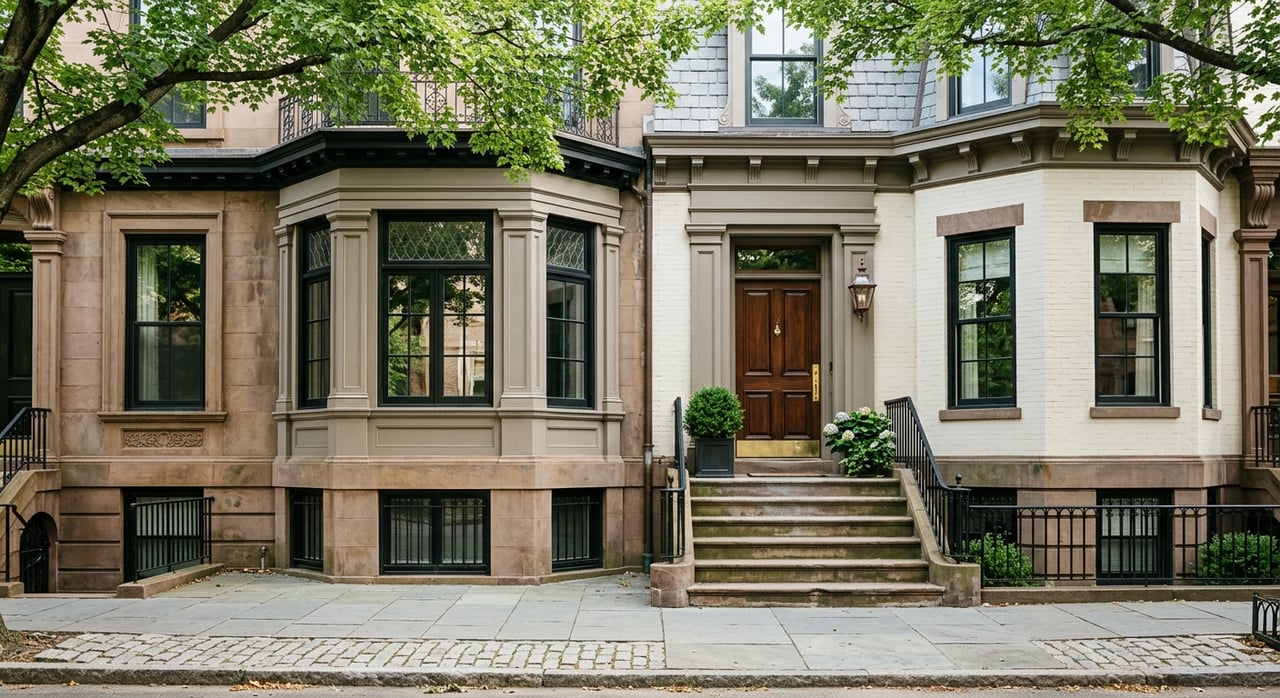
If your home still has original details that work well and fit the home’s style, preserving them may be the smartest move. In Yorktown’s historic context, original elements can add appeal when they are functional, well-maintained, and visually consistent.
According to York County’s Yorktown Historic District guidelines, the ordinance is intended to protect historic and architectural character, stabilize property values, and guide upkeep and rehabilitation. That matters if your home is in the district, where certain exterior changes may require a certificate of appropriateness.
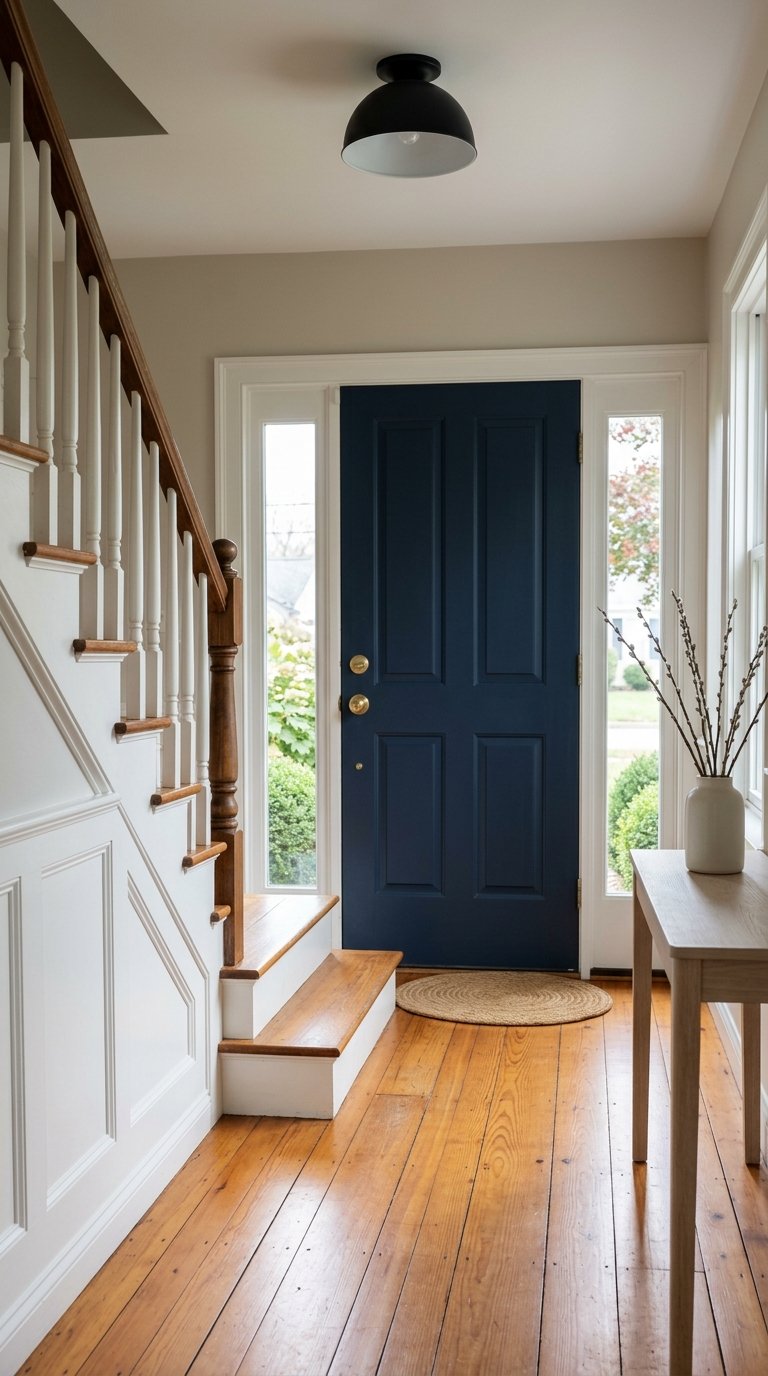
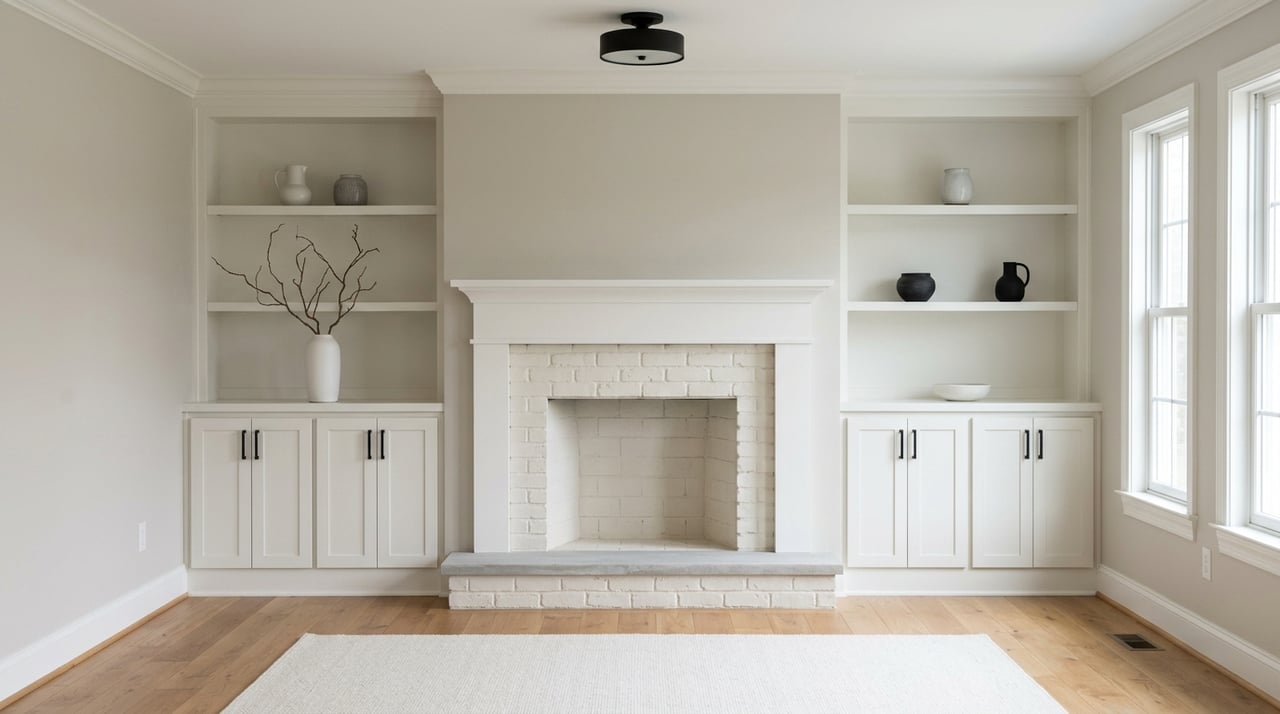
Some older homes do not need major renovation. They need a cleaner, fresher presentation. If your home has worn paint, dated finishes, or a tired entry, targeted improvements may do more for buyer appeal than a full remodel.
If the home has an aging roof, moisture concerns, electrical issues, or broad deferred maintenance, an as-is sale may be worth considering. In that case, pricing and buyer expectations become especially important.
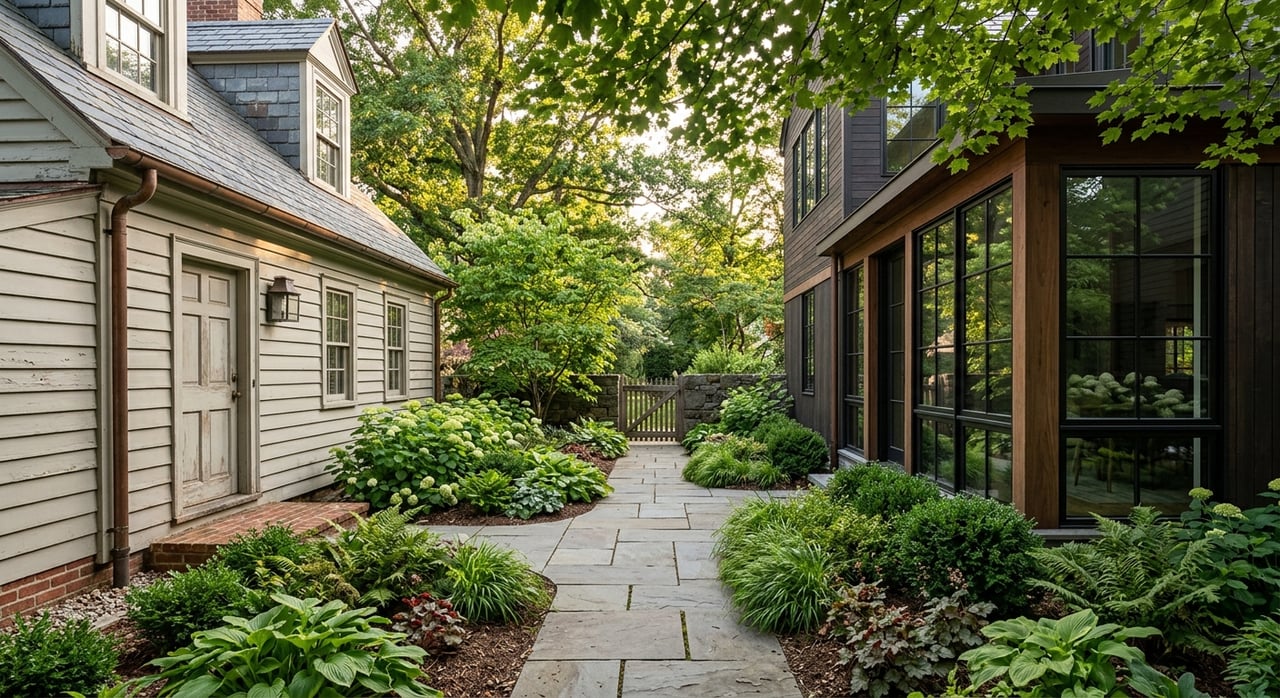
Preservation tends to make sense when the home’s original features are still in good working order and help tell a consistent story. Think windows, doors, trim, brick, porch details, or other elements that suit the architecture and do not create obvious buyer concerns.
For homes in the historic district, this is more than a design choice. Yorktown Historic District rules note that interior changes are generally exempt, and maintenance that does not change exterior appearance, such as repainting the same color or reroofing with matching material, is generally exempt as well. Some minor exterior actions may be approved administratively, including painting in approved palette colors.
That said, not every exterior change is simple. Changes to porches, dormers, rooflines, windows, doors, fences, and similar features can require review. The same guidelines also state that doors and windows should match the existing type, size, material, and color, and that unpainted brick should not be painted.
In many cases, preserving what already works can save money and keep the home aligned with local expectations.
If your home shows wear but does not need a full overhaul, targeted updates often offer the best return in effort and buyer response. National research supports this approach.
The 2025 NAR Remodeling Impact Report found that 46% of REALTORS® said buyers are less willing to compromise on home condition than they used to be. The same report found that REALTORS® most often recommended painting the entire home, painting one room, and replacing the roof before listing.
NAR also found that curb appeal carries real weight. In its research, 92% of REALTORS® recommended improving curb appeal before listing, and 97% said curb appeal is important in attracting a buyer. A new steel door showed 100% cost recovery in the report, which reinforces how much buyers respond to visible, practical improvements.
According to the 2025 NAR staging survey within the same report, 83% of buyers’ agents said staging made it easier for buyers to visualize a property as their future home. For an older house, that can help buyers focus on space and potential rather than age alone.
One reason targeted prep can work well is that not every improvement turns into a construction project. York County renovation guidance says cosmetic work such as painting and carpet replacement generally does not require a building permit, while structural work does.
That can make listing prep more manageable. You may be able to improve appearance without taking on a long timeline, as long as you also account for any separate historic-district review if exterior changes are involved.
Older homes often attract buyers who appreciate character, but those buyers still pay close attention to condition. A home inspection commonly reviews the roof, foundation, accessible plumbing, electrical system, crawl spaces, attics, windows, doors, drainage, garage, and visible insect damage or mold.
According to the American Society of Home Inspectors, inspection standards also cover electrical service, heating, air conditioning, insulation, and ventilation. In older homes, recurring trouble spots often include water intrusion, dated electrical systems, worn roofs, and hidden moisture or deterioration in crawl spaces and attics.
These issues do not just affect inspections. They can affect financing too.
Some buyers may love your home’s charm but still need financing that depends on property condition. That is especially important if a buyer is using a VA loan.
The VA Minimum Property Requirements state that a property must be safe, sanitary, and structurally sound. The roof must prevent moisture intrusion, crawl spaces must be properly vented and free of excessive dampness, and hazards, wood-destroying insects, fungus, dry rot, and defective lead-based paint must be corrected.
If your home was built before 1978, lead rules matter too. The EPA requires sellers, landlords, and agents to provide lead disclosures for qualifying homes built before that year, and lead-safe work practices are required when paint is disturbed during renovation.
This is why a problem that feels manageable to you may still become a sticking point for a buyer, appraiser, or lender.
An as-is strategy can be the right move, but it works best under specific conditions. Usually, that means the repair list is broad, the home has end-of-life systems, or you want to avoid investing in updates that may not come back in the sale price.
As-is tends to be more realistic when the home is priced to reflect its condition and when the likely buyer is prepared to take on repairs after closing. It is often less effective when the home only needs cosmetic work, because modest improvements may attract a wider pool of buyers.
Even in an as-is sale, disclosure obligations still apply. If the home qualifies for pre-1978 lead disclosure requirements, those still need to be handled properly.
For many sellers in Yorktown, the strongest approach is neither a full renovation nor a pure as-is listing. It is a focused update-and-preserve plan.
That means you improve what buyers notice first, preserve original elements that still add value, and avoid over-improving areas that may not change the outcome. In a market where buyers have time to compare homes, this approach can help your property feel both cared for and authentic.
Update visible, low-risk items first.
Preserve original features that still work.
Sell as-is when major repair categories dominate.
The smartest decision starts with honest evaluation. Look at your home through a buyer’s eyes, but also through the lens of Yorktown’s local rules and current market conditions.
If your home has character and only modest wear, a light refresh may be enough. If it has meaningful historic features, preserving them may protect both appeal and compliance. If the repair list is long and expensive, an as-is strategy may save you time and stress, as long as the price reflects reality.
Selling an older home is rarely about doing everything. It is about doing the right things in the right order. If you want a thoughtful, data-backed strategy for positioning your home, connect with Gabrielle Witkin for a personalized consultation.
Stay informed and inspired with Gabrielle’s expertise on real estate, design tips, family life, and all things in Arlington.
Discover a partnership that goes beyond the transaction. With Gabrielle on your team, it's not just about finding or selling your home. It's about unlocking the life you've always dreamed of.